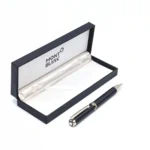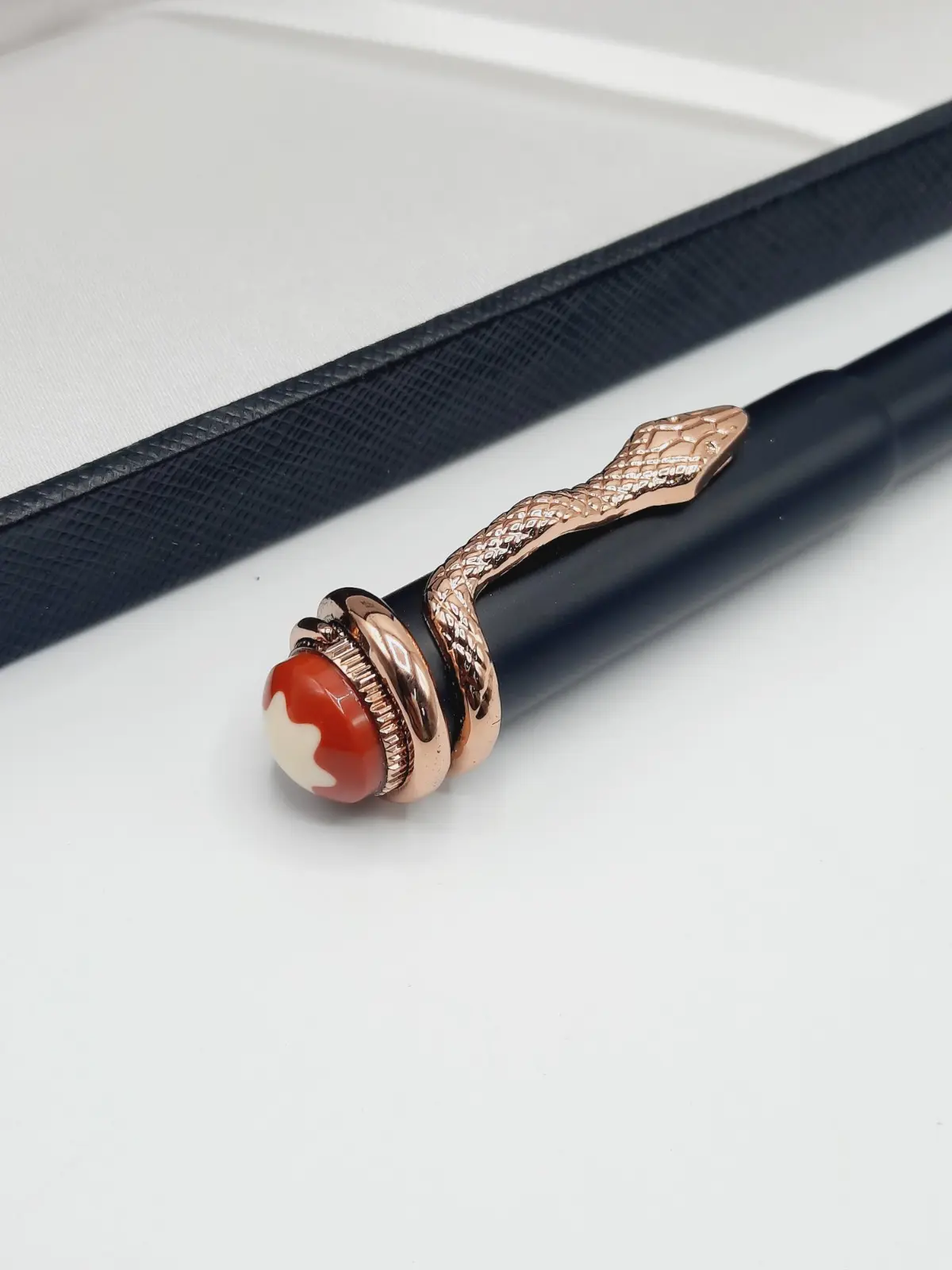
Fountain pen, an instrument of unparalleled elegance, has etched its mark on history as a symbol of sophistication, creativity, and individuality.
In an age dominated by digital devices and noise, the fountain pen with its subtle scribbles has its own mark. It remains a beacon of tactile artistry, inviting writers, artists, and dreamers to connect with the written word in a profoundly personal way.
As Virginia Woolf once mused:
“The pen is mightier than the sword, but only when it flows with the ink of inspiration.”
Today, I write, an ode to the fountain pen, the instrument that was an integral part of history, big decisions, and beauty.
History of Fountain Pens
Origins of the Fountain Pen: From Quill to Reservoir
The fountain pen’s story begins long before its modern form, rooted in humanity’s quest to perfect the art of writing.
Early writing instruments, such as reed pens and quills, required constant dipping in ink, a process that was both cumbersome and imprecise.
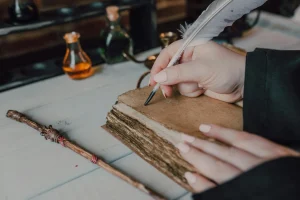
The concept of a self-contained ink reservoir emerged as early as the 10th century, with rudimentary designs attributed to Islamic scholars. However, it was not until the 19th century that the fountain pen as we know it began to take shape.
In 1827, Romanian inventor Petrache Poenaru patented an early version of the fountain pen, a device with a barrel that held ink and fed it to a quill nib.
This innovation laid the groundwork for the modern fountain pen, which evolved significantly in the 1880s with Lewis Waterman’s invention of a reliable feed system.
Waterman’s design minimized leaks and ensured a steady flow of ink, transforming the fountain pen into a practical tool for everyday use.
As Mark Twain, an ardent user of early fountain pens, remarked:
“A pen that carries its own ink is a marvel of convenience and a partner in thought.”
Golden Age of Fountain Pen Manufacturing
The late 19th and early 20th centuries marked the golden age of fountain pen production, a period when brands like Parker, Waterman, and Montblanc rose to prominence.
These manufacturers combined engineering precision with aesthetic refinement, crafting pens that were as beautiful as they were functional.
The introduction of materials like ebonite, celluloid, and gold elevated fountain pens to the status of luxury goods. During this era, fountain pens became indispensable tools for writers, scholars, and statesmen, symbolizing intellectual prowess and refined taste.
The 1920s and 1930s saw further innovations, including the lever-filling mechanism by Parker and the piston-filler by Pelikan.
These advancements made fountain pens more user-friendly, cementing their place in offices, schools, and homes. The fountain pen was not merely a writing instrument; it was a cultural icon, immortalized in literature and art as a conduit for human expression.
Art and Craftsmanship of Fountain Pen Design
Mastering the Nib: Heart of the Fountain Pen
At the core of every fountain pen lies the nib, a meticulously crafted component that determines the quality of the writing experience.
Typically made from gold, stainless steel, or titanium, the nib is engineered to deliver ink smoothly while offering flexibility for varied writing styles.
The nib’s tip, often adorned with an iridium point for durability, is shaped to create fine, medium, or broad lines, catering to the preferences of calligraphers, journalists, and everyday writers alike.
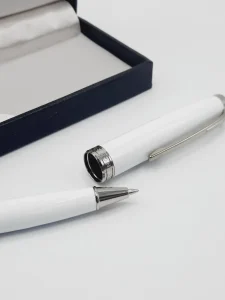
Renowned manufacturers like Montblanc and Sailor employ master craftsmen who hand-tune each nib to ensure flawless performance. The process involves grinding, polishing, and aligning the nib’s tines to achieve the perfect balance of smoothness and responsiveness.
As Leonardo da Vinci, a visionary who understood the importance of tools, once said, “The hand that guides the pen must be as steady as the mind that directs it.” A well-crafted nib transforms writing into an act of artistry, allowing the user to express their thoughts with grace and precision.
Materials and Aesthetics: Crafting a Fountain Pen Masterpiece
Beyond the nib, the fountain pen’s body is a canvas for creativity. Manufacturers have long experimented with materials, from precious metals like sterling silver and gold to modern resins and celluloid.
Limited-edition pens, such as those from Visconti or Aurora, often feature intricate designs inspired by art, history, or nature, making each piece a collectible work of art.
The tactile experience of holding a fountain pen—its weight, balance, and texture—enhances the act of writing.
For instance, the Montblanc Meisterstück 149, with its iconic cigar-shaped silhouette and gold-trimmed accents, exudes timeless elegance.
Similarly, Japanese brands like Namiki create pens adorned with maki-e lacquer, a traditional technique that elevates the pen to a cultural artifact.
These design choices reflect the fountain pen’s dual role as both a functional tool and a statement of personal style.
Why Fountain Pens Endure in a Digital Age
Joy of Analog Writing: A Mindful Practice
In an era dominated by keyboards and touchscreens, the fountain pen offers a respite from the frenetic pace of digital life. Writing with a fountain pen is a deliberate, mindful act that fosters a deeper connection with one’s thoughts.
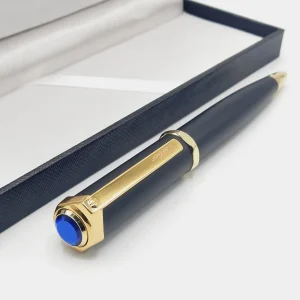
The smooth glide of the nib across the paper, the subtle scratch of ink, and the rhythm of refilling the pen create a sensory experience that digital devices cannot replicate.
Studies suggest that handwriting engages the brain in ways that typing does not, enhancing memory retention and creativity. For writers and artists, the fountain pen is a tool for slowing down and savoring the creative process.
As author Neil Gaiman once noted:
“I love the feel of a fountain pen in my hand; it’s like holding a piece of history that channels my thoughts onto the page.”
This sentiment resonates with fountain pen enthusiasts who view their pens as extensions of their personality and creativity.
Fountain Pens as Collectibles and Heirlooms
Fountain pens are more than writing instruments; they are heirlooms that carry stories across generations. Collectors seek rare and vintage pens, such as the Parker Duofold or the Sheaffer Snorkel, for their historical significance and craftsmanship.
Limited-edition releases, often tied to cultural or historical themes, command high prices at auctions, reflecting their status as investment pieces.
Moreover, fountain pens are often passed down as cherished keepsakes, imbued with sentimental value.
A pen used to sign a significant document, write a novel, or sketch a masterpiece carries the weight of its owner’s legacy. This enduring quality makes fountain pens timeless treasures in a disposable world.
Choosing the Perfect Fountain Pen: Guide for Enthusiasts
Selecting the Right Nib for Your Writing Style
Choosing a fountain pen begins with understanding your writing needs. Nib size and type are critical considerations.
Fine nibs are ideal for small, precise handwriting, while broad nibs suit bold, expressive strokes. Flexible nibs, favored by calligraphers, allow for line variation, while stiff nibs offer consistency for everyday writing.
Brands like Lamy and Pilot offer affordable entry-level pens, such as the Lamy Safari and Pilot Metropolitan, which are perfect for beginners.
For those seeking luxury, pens from Montblanc, Pelikan, or Visconti provide unparalleled craftsmanship. Testing a pen’s weight, grip, and balance is essential, as these factors influence comfort during long writing sessions.
Ink Selection and Maintenance: Enhancing the Fountain Pen Experience
The choice of ink is as important as the pen itself. Fountain pen inks come in a spectrum of colors, from classic blues and blacks to vibrant hues like emerald green and burgundy.
Brands like Iroshizuku and Diamine offer inks with unique properties, such as sheen and shading, that add character to the written word.
Proper maintenance is key to preserving a fountain pen’s performance. Regular cleaning prevents ink clogs, while careful storage protects the pen from damage.
Enthusiasts often invest in high-quality paper, such as Rhodia or Tomoe River, to enhance the writing experience and showcase the ink’s properties.
Future of Pens: Tradition Meets Innovation
Modern Innovations in Fountain Pen Design
While fountain pens are steeped in tradition, manufacturers continue to innovate. Modern pens feature advanced filling systems, such as vacuum fillers and eyedroppers, that maximize ink capacity.
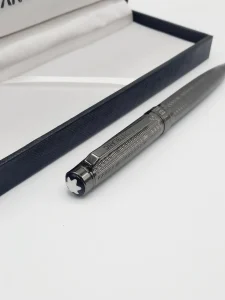
Materials like carbon fiber and titanium offer durability without sacrificing elegance. Additionally, eco-friendly pens made from sustainable materials appeal to environmentally conscious users.
Digital integration is also shaping the future of fountain pens. Smart pens, like the Montblanc Augmented Paper, combine analog writing with digital functionality, allowing users to digitize their notes. These innovations ensure that fountain pens remain relevant in a tech-driven world.
Fountain Pen Community: A Global Passion
The pen community is a vibrant global network of enthusiasts, collectors, and artisans. Pen shows, such as the San Francisco Pen Show and the London Pen Show, bring together aficionados to share their passion and discover new pens.
Online forums, like the Fountain Pen Network, and social media platforms foster discussions on pen care, ink reviews, and calligraphy techniques.
This sense of community underscores the fountain pen’s enduring appeal. It is a tool that connects people across cultures and generations, united by a shared appreciation for craftsmanship and creativity.
As Albert Einstein once said, “Imagination is more important than knowledge, and the fountain pen is its faithful servant.”
Conclusion: Fountain Pen’s Lasting Legacy
The pen is more than a writing instrument; it is a testament to human ingenuity, artistry, and the enduring power of the written word.
Its history is a tapestry of innovation and elegance, woven by craftsmen and visionaries who understood the importance of a tool that captures the essence of thought.
In a world that races toward the future, the fountain pen invites us to pause, reflect, and create with intention. Whether you are a seasoned collector or a curious novice, the fountain pen offers a journey of discovery, where every stroke tells a story.